
Female Infertility Treatment: Options, Hope, and the Path to Parenthood
Infertility affects millions of women worldwide—and while it can be an emotional and physical journey, modern medicine has made parenthood possible for many women who once thought it was out of reach.
Female infertility can result from a wide range of factors, but the good news is that today, there are more treatment options than ever before—ranging from lifestyle adjustments and medications to surgery and assisted reproductive technologies like IVF.
This comprehensive guide will walk you through the various causes of female infertility and the full spectrum of treatment options, so you can feel informed, empowered, and supported on your path to becoming a parent.
What Is Female Infertility?
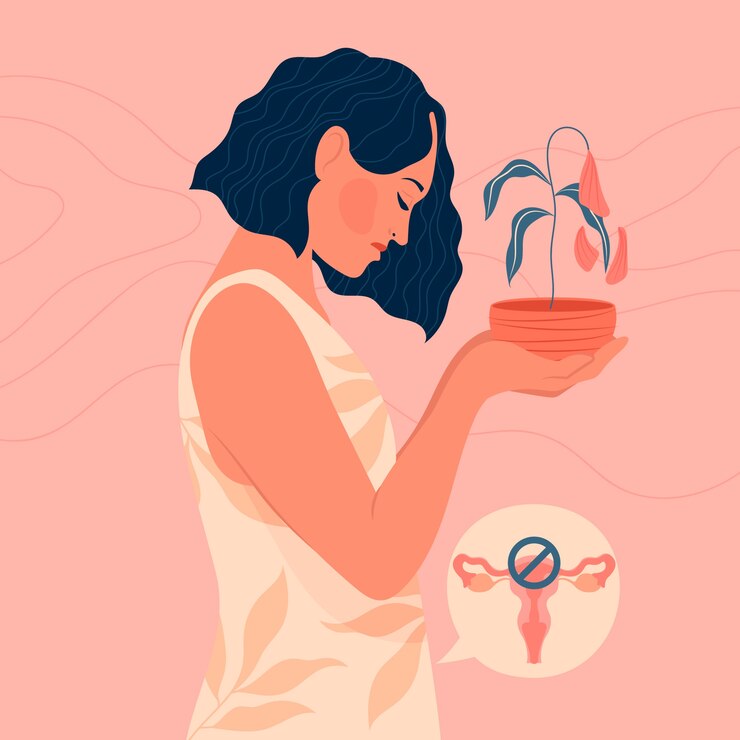
Female infertility is defined as the inability to conceive after one year of regular, unprotected intercourse (or six months for women over 35). It can result from problems with ovulation, the fallopian tubes, the uterus, or other factors.
It’s important to note: infertility doesn’t always mean you cannot get pregnant. It often means the process is taking longer or needs medical support.
Common Causes of Female Infertility
🔹 Ovulatory Disorders
-
Irregular or absent periods
-
Conditions like Polycystic Ovary Syndrome (PCOS), hypothalamic amenorrhea, or premature ovarian insufficiency (POI)
🔹 Tubal Blockages
-
Damaged or blocked fallopian tubes prevent the egg from meeting the sperm
-
Often caused by infections, pelvic inflammatory disease (PID), or endometriosis
🔹 Uterine or Cervical Issues
-
Fibroids, polyps, or abnormalities in the uterus
-
Thin uterine lining or cervical mucus issues
🔹 Endometriosis
-
A painful condition where tissue similar to the uterine lining grows outside the uterus, potentially affecting fertility
🔹 Age-Related Decline
-
Fertility naturally declines with age, especially after age 35 due to lower egg quantity and quality
🔹 Hormonal Imbalances
-
Issues with the thyroid, prolactin, or other reproductive hormones
🔹 Unexplained Infertility
-
In about 10–20% of cases, no clear cause is found—but treatment is still possible and often successful
How Is Female Infertility Diagnosed?
Fertility specialists begin with a full assessment, which may include:
-
Medical history & physical exam
-
Ovulation testing (hormone levels, ultrasound)
-
Hysterosalpingogram (HSG) to check fallopian tube health
-
Ultrasound or hysteroscopy to examine the uterus
-
Blood tests for hormonal balance
-
Ovarian reserve testing (AMH levels, antral follicle count)
Based on the results, your doctor will recommend a personalized treatment plan.
Treatment Options for Female Infertility
Treatment depends on the underlying cause, age, health history, and duration of infertility. In many cases, more than one method may be used in combination.
✅ 1. Lifestyle and Natural Approaches
For some women, small changes can significantly improve fertility:
-
Maintain a healthy weight (BMI between 18.5–24.9)
-
Quit smoking and limit alcohol/caffeine
-
Reduce stress through yoga, meditation, or counseling
-
Ensure adequate sleep and exercise moderately
-
Manage chronic conditions (e.g., diabetes, thyroid issues)
These natural steps may enhance ovulation and hormonal balance.
✅ 2. Ovulation Induction Medications
If ovulation is irregular or absent, medication may stimulate the ovaries:
💊 Clomiphene Citrate (Clomid)
-
Often the first-line treatment
-
Encourages the release of an egg
💉 Letrozole (Femara)
-
An alternative for women with PCOS or those unresponsive to Clomid
🧬 Gonadotropins (FSH, LH Injections)
-
Injectable hormones for stronger stimulation
-
Often used in IUI or IVF cycles
Your fertility doctor will monitor your cycle with ultrasound and blood tests to ensure safe and effective stimulation.
✅ 3. Intrauterine Insemination (IUI)
IUI involves placing washed and concentrated sperm directly into the uterus around ovulation. It’s often combined with ovulation induction medications.
IUI is ideal for:
-
Mild male factor infertility
-
Cervical mucus issues
-
Unexplained infertility
-
Donor sperm use
Success rates vary (10–20% per cycle) depending on age and diagnosis.
✅ 4. Surgery for Correctable Issues
Some structural problems may be resolved through minimally invasive surgery:
🔧 Laparoscopy or Hysteroscopy
-
To remove uterine fibroids, polyps, adhesions
-
To treat endometriosis
-
To correct congenital anomalies
This can restore normal function to the uterus or fallopian tubes, improving chances of natural conception or success with fertility treatments.
✅ 5. In Vitro Fertilization (IVF)
IVF is one of the most effective fertility treatments and is used for a wide range of diagnoses, especially when other methods have failed.
How IVF Works:
-
Ovarian stimulation with hormone injections
-
Egg retrieval under mild sedation
-
Fertilization of eggs with sperm in a lab
-
Embryo development for 3–5 days
-
Embryo transfer into the uterus
Success rates vary by age—from over 40% per cycle for women under 35 to around 10–15% for women over 40.
IVF may include:
-
ICSI (sperm injection) for male infertility
-
PGT (genetic testing of embryos)
-
Frozen embryo transfer (FET)
✅ 6. Donor Eggs or Embryos
For women with poor egg quality, premature ovarian failure, or advanced age, donor eggs or embryos offer a path to pregnancy.
-
Eggs come from young, healthy donors screened for genetic and infectious diseases
-
The recipient carries the pregnancy herself
This option has high success rates—often over 50% per transfer.
✅ 7. Gestational Surrogacy
For women who cannot carry a pregnancy due to uterine problems or health risks, surrogacy is a beautiful and viable path.
-
The embryo (created via IVF) is transferred into a gestational carrier
-
The child is genetically related to the intended parents if their egg and sperm are used
Surrogacy requires legal and emotional support throughout the process.
✅ 8. Fertility Preservation (Egg Freezing)
For women delaying pregnancy or facing treatments that may affect fertility (like chemotherapy), egg freezing (oocyte cryopreservation) is a smart option.
-
Eggs are harvested and frozen for future use
-
Allows women to try for pregnancy later using their younger, healthier eggs
Emotional Well-being and Support
The emotional side of infertility can be incredibly tough. It’s okay to feel sadness, frustration, or even guilt—but you are not alone.
Consider:
-
Counseling or therapy (individual or couples)
-
Fertility support groups or online communities
-
Journaling or mindfulness practices
-
Leaning on your partner, family, or trusted friends
At Pregaworld, we believe compassionate care includes emotional support alongside medical treatment.
Final Thoughts: There is Always a Path Forward
While the journey through infertility can be challenging, it is filled with hope. Thanks to today’s many treatment options, more women than ever are becoming mothers—regardless of age, diagnosis, or personal history.
Whether you’re at the beginning of your journey or considering next steps after years of trying, Pregaworld is here to guide, support, and empower you.
With the right diagnosis, treatment, and support, your dream of parenthood is absolutely within reach.