
Understanding IVF Treatment: A Complete Guide to In Vitro Fertilization
In Vitro Fertilization (IVF) has changed the lives of millions of people around the world. For couples and individuals facing fertility challenges, IVF offers a hopeful path toward parenthood. While the process may seem complex at first glance, understanding each step can bring clarity, confidence, and peace of mind.
Whether you’re just beginning to explore fertility options or have already spoken with a specialist, this guide will walk you through everything you need to know about IVF—what it is, how it works, who it’s for, and what to expect.

What is IVF?
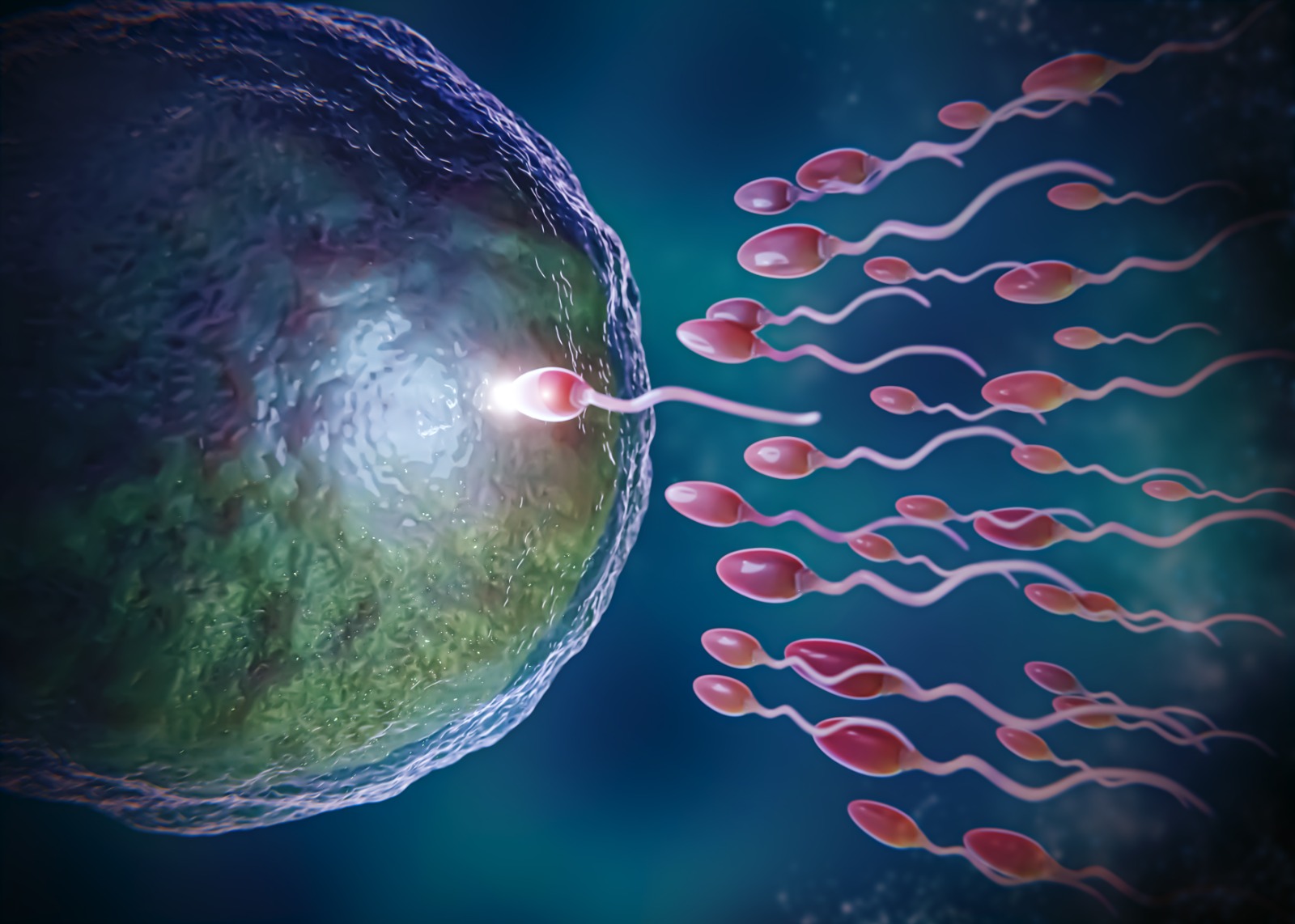
IVF (In Vitro Fertilization) is an assisted reproductive technology (ART) where eggs are retrieved from the ovaries and fertilized with sperm in a laboratory setting. Once fertilized, the resulting embryo(s) are monitored for several days, and one or more healthy embryos are transferred into the uterus, with the goal of achieving a successful pregnancy.
The term “in vitro” means “in glass”—referring to the laboratory dish where fertilization takes place. IVF bypasses many natural fertility barriers and provides new possibilities for those struggling to conceive.
Who Can Benefit from IVF?
IVF is often recommended for individuals and couples who experience:
-
Blocked or damaged fallopian tubes
-
Ovulation disorders or hormonal imbalances
-
Endometriosis
-
Male infertility (low sperm count or motility)
-
Unexplained infertility
-
Genetic disorders requiring embryo screening
-
Previous unsuccessful fertility treatments
-
Advanced maternal age
-
Same-sex couples or single parents using donor sperm or eggs
Step-by-Step IVF Process
While every IVF journey is personalized, the process generally includes the following stages:
1. Initial Consultation & Testing
Your fertility specialist will conduct a thorough medical review and recommend tests such as hormonal bloodwork, ultrasound, semen analysis, and more to assess your fertility health.
2. Ovarian Stimulation
You’ll begin taking fertility medications (typically daily injections) to stimulate your ovaries to produce multiple eggs. Monitoring via blood tests and ultrasounds helps track follicle growth and hormone levels.
3. Egg Retrieval (Oocyte Collection)
Once your eggs are mature, they’re collected through a minor surgical procedure under sedation. A thin needle is used to retrieve eggs from the ovaries. This outpatient procedure typically takes 20–30 minutes.
4. Sperm Collection and Preparation
On the same day, a sperm sample is collected from your partner or donor. The sperm is washed and prepared to isolate the healthiest and most motile sperm for fertilization.
5. Fertilization
The retrieved eggs are combined with sperm in a lab. In some cases, ICSI (Intracytoplasmic Sperm Injection) is used, where a single sperm is directly injected into an egg to aid fertilization.
6. Embryo Development
The fertilized eggs (now embryos) are monitored for several days. Embryologists assess growth and quality, typically allowing the embryo to develop for 3–5 days before transfer.
7. Embryo Transfer
One or more embryos are carefully placed into the uterus using a thin catheter. This quick, painless procedure is often compared to a Pap smear. The goal is for the embryo to implant and begin pregnancy.
8. Pregnancy Test
About 10–14 days after the embryo transfer, a blood test is done to confirm whether pregnancy has occurred.
Success Rates & Factors That Influence IVF Outcomes
IVF success rates vary depending on several factors, including:
-
Age of the woman (or egg donor)
-
Cause of infertility
-
Embryo quality
-
Uterine health
-
Lifestyle factors (e.g., smoking, weight, stress)
On average, younger women (under 35) have higher success rates, while success may decline with age. However, using donor eggs or embryos can significantly increase the chances of success for older patients.
IVF with Additional Options
Modern IVF treatments can be customized to meet diverse needs:
-
Donor Eggs or Sperm: For individuals unable to produce viable eggs or sperm.
-
Embryo Freezing (Cryopreservation): Save extra embryos for future use.
-
PGT (Preimplantation Genetic Testing): Screen embryos for genetic abnormalities.
-
Gestational Surrogacy: In cases where carrying a pregnancy is not possible.
Emotional and Physical Considerations
IVF is not just a medical journey—it’s an emotional one too. The process can be physically demanding and mentally challenging, with ups and downs throughout.
Common physical side effects may include:
-
Bloating or cramping during stimulation
-
Mood swings due to hormonal changes
-
Mild spotting or discomfort after retrieval or transfer
Emotional side effects may include:
-
Anxiety around outcomes
-
Feelings of disappointment if cycles are unsuccessful
-
Pressure from timelines and costs
Support is key. Many clinics offer counseling, support groups, and fertility coaches. Leaning on a partner, family, or community can also make a huge difference.
Risks and Considerations
While IVF is generally safe, it’s important to be aware of potential risks:
-
Ovarian Hyperstimulation Syndrome (OHSS): A rare overreaction to fertility drugs
-
Multiple pregnancies: Especially if more than one embryo is transferred
-
Ectopic pregnancy: A pregnancy outside the uterus
-
Emotional toll: Especially after unsuccessful cycles
Discuss all possible risks with your fertility specialist to make an informed decision tailored to your health and goals.
Cost of IVF
IVF can be a significant financial investment. Costs vary depending on location, clinic, medication needs, and whether additional procedures (like PGT or donor services) are involved.
Some clinics offer:
-
Package deals for multiple cycles
-
Financing or payment plans
-
Insurance coverage for certain aspects of treatment
Always ask your clinic for a detailed cost breakdown and explore financial support options early in your planning.
Final Thoughts: IVF is a Journey of Hope
IVF is more than a medical procedure—it’s a journey filled with hope, resilience, and the possibility of bringing your dream of parenthood to life. It’s not always easy, and it’s rarely predictable, but many find that the outcome is worth every step.
At Pregaworld, we’re here to support you every step of the way—with trusted guidance, expert insights, and a compassionate community that understands what you’re going through.
Whether you’re just getting started or preparing for your next cycle, remember: you are not alone, and hope is always within reach.