
Hormonal Imbalances in PCOS
PCOS is marked by several hormonal disruptions:
-
Elevated Androgens: Individuals with PCOS often have higher levels of androgens (male hormones like testosterone), leading to symptoms such as hirsutism (excess hair growth), acne, and scalp hair thinning.
-
Insulin Resistance: Many with PCOS experience insulin resistance, where the body’s cells don’t respond effectively to insulin, leading to higher insulin levels. This can exacerbate androgen production and contribute to weight gain.
-
Imbalanced Gonadotropins: An increased luteinizing hormone (LH) to follicle-stimulating hormone (FSH) ratio can disrupt ovulation, leading to irregular menstrual cycles.
Symptoms and Clinical Manifestations
The hormonal imbalances in PCOS manifest in various ways:
-
Menstrual Irregularities: Infrequent, irregular, or prolonged menstrual cycles are common.
-
Hyperandrogenism: Symptoms include hirsutism, acne, and alopecia.
-
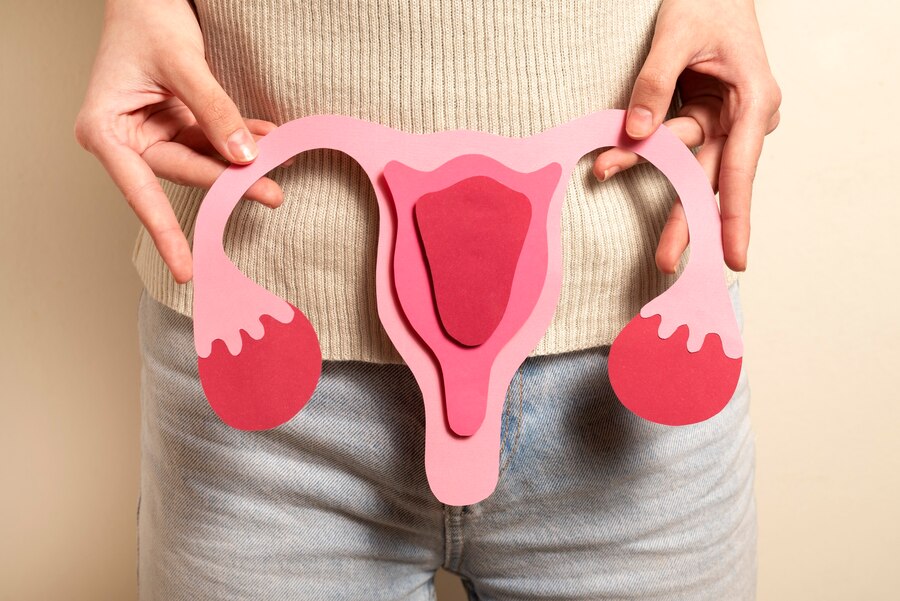
Polycystic Ovaries: Enlarged ovaries containing numerous small follicles may be observed via ultrasound.
-
Metabolic Issues: Increased risk of insulin resistance, type 2 diabetes, and obesity.
-
Psychological Impact: Higher prevalence of mood disorders, including depression and anxiety.
Diagnosis
Diagnosis typically involves:
-
Medical History and Physical Examination: Assessing symptoms and physical signs.
-
Blood Tests: Measuring hormone levels, including androgens, LH, FSH, and insulin.
-
Ultrasound: Evaluating ovarian morphology.
The Rotterdam criteria are commonly used, requiring two of the following three features: oligo/anovulation, hyperandrogenism, and polycystic ovaries.
Management and Treatment
Treatment focuses on managing symptoms and preventing complications:
-
Lifestyle Modifications: Diet and exercise can improve insulin sensitivity and aid weight management.
-
Medications:
-
Hormonal Contraceptives: Regulate menstrual cycles and reduce androgen levels.
-
Metformin: Improves insulin sensitivity.
-
Anti-androgens: Address hirsutism and acne.
-
-
Fertility Treatments: For those seeking pregnancy, options include ovulation induction agents and assisted reproductive technologies.
Conclusion
PCOS is a complex condition with significant hormonal underpinnings affecting various aspects of health. Early diagnosis and a comprehensive, individualized treatment approach can effectively manage symptoms and reduce the risk of long-term complications.